

What is the lifespan of wood interior wall paneling?
Dec 02, 2025
Leave a message
The lifespan of wood interior wall paneling is a topic of significant interest for both homeowners and professionals in the construction and interior design industries. As a supplier of interior wall paneling, I've had the privilege of witnessing firsthand the various factors that influence how long these panels can last. In this blog, I'll delve into the key elements that determine the lifespan of wood interior wall paneling, provide insights on how to extend it, and offer some comparisons with alternative materials.
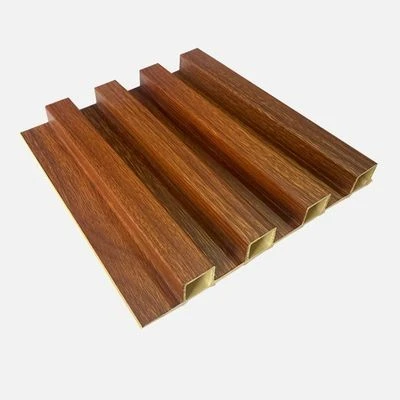

Factors Affecting the Lifespan of Wood Interior Wall Paneling
Wood Species
The type of wood used in the paneling plays a crucial role in determining its lifespan. Hardwoods, such as oak, maple, and cherry, are generally more durable and resistant to wear and tear compared to softwoods like pine or cedar. Hardwoods have a higher density, which means they can withstand scratches, dents, and impacts better. For example, oak is known for its strength and longevity, making it a popular choice for high - traffic areas. On the other hand, softwoods are more prone to damage but can still be a good option for less - trafficked rooms or for a more rustic aesthetic.
Environmental Conditions
The environment in which the wall paneling is installed has a significant impact on its lifespan. Exposure to high humidity levels can cause wood to warp, swell, or develop mold and mildew. In areas with high humidity, such as bathrooms or basements, it's essential to choose a wood that is resistant to moisture or to take extra precautions like using a moisture barrier during installation. Conversely, extremely dry conditions can cause the wood to shrink and crack. Maintaining a stable indoor humidity level between 30% and 50% is ideal for preserving the integrity of wood wall paneling.
Installation Quality
Proper installation is key to ensuring the long - term performance of wood interior wall paneling. If the panels are not installed correctly, they may become loose, develop gaps, or even separate from the wall over time. This can lead to issues such as drafts, moisture infiltration, and an overall unappealing appearance. Hiring a professional installer with experience in working with wood wall paneling is highly recommended. They will ensure that the panels are properly aligned, fastened securely, and that any necessary expansion gaps are left to accommodate changes in the wood's dimensions due to temperature and humidity fluctuations.
Maintenance and Care
Regular maintenance and care can significantly extend the lifespan of wood interior wall paneling. This includes cleaning the panels regularly with a mild, wood - friendly cleaner to remove dirt, dust, and stains. Avoid using abrasive cleaners or scrubbers that can scratch the wood surface. Additionally, it's important to address any minor damages, such as scratches or dents, promptly. Small scratches can be repaired with wood filler or a touch - up pen, while more significant damage may require replacing the affected panel.
Average Lifespan of Wood Interior Wall Paneling
The lifespan of wood interior wall paneling can vary widely depending on the factors mentioned above. On average, well - maintained wood wall paneling in a normal indoor environment can last anywhere from 20 to 50 years. In high - quality installations with proper care and in favorable environmental conditions, it's not uncommon for wood paneling to last even longer.
However, if the wood is exposed to harsh conditions, such as extreme humidity or frequent physical damage, its lifespan can be significantly reduced. For example, in a bathroom with poor ventilation, the paneling may start to show signs of deterioration within 5 to 10 years.
Comparing Wood with Alternative Materials
In recent years, there has been an increasing popularity of alternative materials for interior wall paneling, such as Fluted Wall Panels WPC. WPC, or wood - plastic composite, is a material that combines wood fibers with plastic polymers. It offers several advantages over traditional wood, including better resistance to moisture, insects, and rot. WPC wall panels also require less maintenance compared to wood, as they don't need to be stained or sealed regularly.
Another alternative is Akupanel Acoustic Panel Installation. These panels are designed to absorb sound, making them a great choice for rooms where noise reduction is important, such as home theaters or offices. While they may not have the same natural beauty as wood, they offer unique functional benefits.
Wood Substitute materials, in general, can be a cost - effective and long - lasting alternative to traditional wood wall paneling. They often have a longer lifespan in harsh environments and require less upkeep, making them a practical choice for many homeowners and businesses.
Extending the Lifespan of Wood Interior Wall Paneling
Choose the Right Wood
As mentioned earlier, selecting the appropriate wood species for your specific application is crucial. Consider the environmental conditions of the room where the paneling will be installed and choose a wood that is suitable for those conditions. For example, if you're installing paneling in a bathroom, you might opt for a moisture - resistant wood like teak or cedar.
Protect the Wood
Applying a protective finish, such as a stain, varnish, or polyurethane, can help protect the wood from moisture, scratches, and UV damage. A high - quality finish will also enhance the natural beauty of the wood and make it easier to clean and maintain. Make sure to follow the manufacturer's instructions when applying the finish and reapply it as needed over time.
Monitor the Environment
Regularly monitor the indoor humidity and temperature levels in the room with the wood wall paneling. Use a hygrometer to measure the humidity and a thermostat to monitor the temperature. If necessary, use a dehumidifier or humidifier to maintain a stable environment.
Address Issues Promptly
As soon as you notice any signs of damage or deterioration, such as scratches, dents, or mold growth, take action to address them. Ignoring these issues can lead to more significant problems down the road and shorten the lifespan of the paneling.
Conclusion
The lifespan of wood interior wall paneling is influenced by a variety of factors, including wood species, environmental conditions, installation quality, and maintenance. With proper selection, installation, and care, wood wall paneling can last for several decades, adding beauty and warmth to your home or commercial space. However, it's important to be aware of the potential challenges and take proactive steps to protect the wood and ensure its long - term performance.
If you're considering wood interior wall paneling for your next project or have any questions about our products, we'd love to hear from you. Our team of experts is available to provide you with more information, offer advice on choosing the right paneling for your needs, and assist you in the procurement process. Contact us today to start the conversation and explore the possibilities of enhancing your space with high - quality wood interior wall paneling.
References
- "Wood Handbook: Wood as an Engineering Material." Forest Products Laboratory, U.S. Department of Agriculture.
- "Interior Wood Finishes: A Guide to Selection and Application." National Wood Flooring Association.
- "Building Science Basics: Moisture Control." Building Science Corporation.